JomEatDeluxe: Your “What Should We Eat?” Fix
JomEatDeluxe is a curated dining guide that cuts decision fatigue with confident picks, must-try dishes, and shareable plans for food lovers.
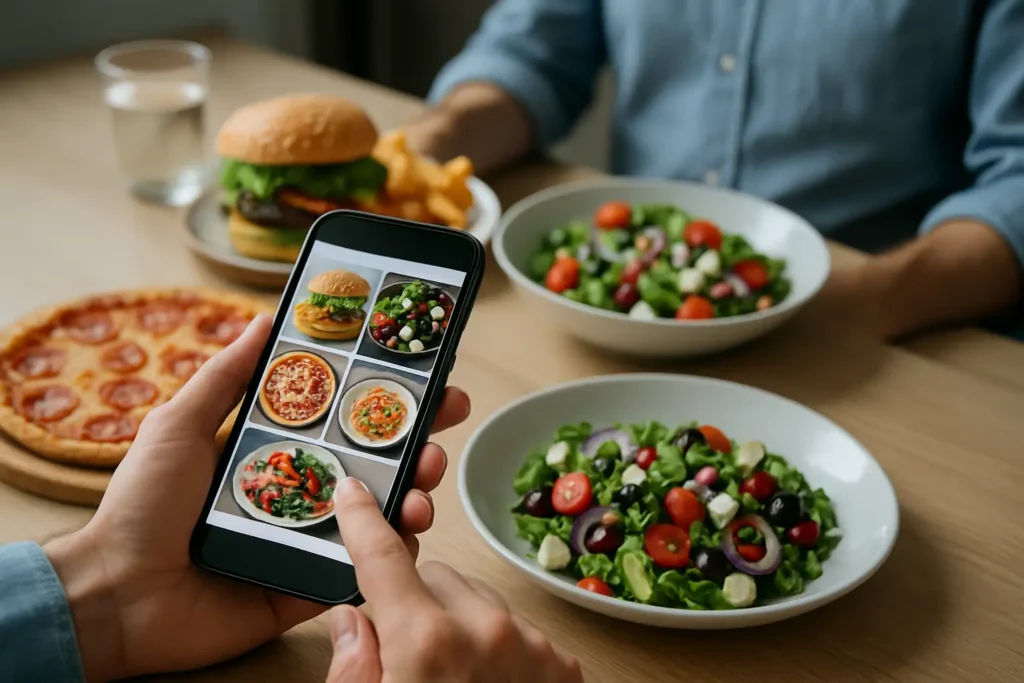
You know the moment: the group chat is buzzing, everyone’s hungry, and somehow you’re 27 messages deep with zero decisions. One friend wants “something spicy,” another says “no soup,” someone else drops a blurry screenshot of a place that closed two years ago, and suddenly your dinner plan is turning into a part-time job.
That’s exactly the problem JomEatDeluxe is built to solve—not by throwing thousands of options at you, but by making the call for you. The magic isn’t “more info.” It’s curation with taste, confidence, and a clear point of view.
What JomEatDeluxe actually is (and why it hits)
JomEatDeluxe is a food discovery and dining guide platform that publishes curated restaurant features and culinary experience spotlights, especially across Asian dining categories—think hotpot nights, Vietnamese comfort bowls, Japanese fixes, kopitiam classics, dessert crawls, and street food energy.
But the real hook isn’t the category list. It’s the vibe: this is written like a friend who’s already gone, already ordered the right thing, and is telling you, “Trust me—this is the move.” Instead of vague suggestions like “try the noodles,” the editorial style leans into signature dishes, must-try menu items, and the specific reasons a place works for a social night out.
That matters because most dining content fails in one of two ways: it’s either too generic to be useful, or too nerdy to be practical when you’re trying to feed a hungry group fast.
The curation edge: fewer choices, better outcomes
Here’s the uncomfortable truth about restaurant hunting: even if you love food, endless options don’t feel freeing—they feel exhausting. Decision fatigue is real. And when you’re planning for a group, the stakes go up. You’re not just choosing dinner; you’re choosing everyone’s mood for the night.
Curation is the antidote because it replaces scrolling with a shortlist you can actually act on. A strong dining guide doesn’t just answer “Where should we go?” It answers:
Who will love this place? What should we order? What kind of night is this—quick bite, long hang, celebration, first-time catch-up?
That’s the lane JomEatDeluxe drives in: confident recommendations that turn into an easy plan you can share.
What makes a recommendation feel dependable
Anyone can post a pretty plate. What makes a dining recommendation feel dependable is when the writer is willing to be specific—and accept the trade-offs.
A dependable recommendation tells you what the restaurant is great at, and what it’s not trying to be. Maybe the spot is a hotpot paradise with a broth you’ll think about tomorrow, but it’s not where you go for a quiet conversation. Maybe a dessert café is an absolute must-visit for photogenic bingsu and waffles, but you should expect a line on weekends.
That kind of clarity is what makes readers come back. It signals: “We’ve done the thinking. You just show up hungry.”
The experience-led style: food as a shared event
The strongest restaurant content doesn’t read like a directory entry. It reads like an invitation.
JomEatDeluxe leans into that experience-led storytelling—words like “hidden gem,” “unmissable,” and “ultimate” aren’t there to be dramatic for drama’s sake. They’re there because dining out isn’t only about calories. It’s about a night that feels worth leaving the house for.
That’s also why signature dishes matter so much in this format. When a post spotlights a venue and clearly frames the “order this, don’t overthink it” moment, it reduces friction for the reader. You’re not just picking a restaurant; you’re picking a guaranteed hit on the table.
JomEatDeluxe for real life: the 5 situations it’s made for
A good dining guide earns its keep when you’re busy, hungry, and trying to make people happy. JomEatDeluxe shines in the exact situations where you don’t want to gamble.
1) The “we need a sure-win group dinner” night
Group dinners need a certain kind of restaurant: shareable dishes, a menu with something for everyone, and an atmosphere that doesn’t punish you for laughing too loudly. Hotpot, Vietnamese family-style spreads, Japanese izakaya energy—these categories naturally fit social dining.
A curated guide that already thinks in “group-friendly” terms can save you from choosing a place that looks cute online but collapses in real life when six people try to order.
2) The “I want one signature dish that delivers” craving
Sometimes the group isn’t looking for a culinary tour. They want one clear hero: the broth that anchors the table, the grilled skewers that disappear in minutes, the dessert that makes everyone pause mid-conversation.
When a recommendation is built around what the venue does best, it’s easier to say yes. People don’t debate as much when the plan is specific.
3) The “out-of-town friend is visiting” flex
This is where trend-aware, experience-driven picks matter. You’re not trying to feed someone; you’re trying to show them a good time. Hidden gems and iconic dishes do the heavy lifting because they create a story.
A place with a recognized reputation—Michelin-recommended mentions, cult-following dishes, or a “birthplace of” narrative—turns dinner into something you’ll talk about tomorrow.
4) The “I don’t want to do research” weeknight
Weeknight dinners are where decision fatigue hits hardest. You’re tired, you want something reliable, and you want to stop scrolling.
Curated dining content works here because it’s already pre-filtered. It respects your time and assumes you’re not trying to read 40 reviews just to eat noodles.
5) The “let’s make it a food crawl” weekend plan
Dessert hopping. Street food runs. Café-to-café plans that feel like a mini adventure. This is the content sweet spot for a discovery platform because it packages the outing as a shareable plan, not a chore.
The best part? When the picks are decisive, the crawl doesn’t fall apart halfway through. Everyone knows what they’re there for.
The trade-offs: what curated guides do (and don’t) guarantee
Let’s be real: no guide can guarantee your exact night. Your experience still depends on timing, crowds, staff flow, and what you personally like.
Curated, confident recommendations typically optimize for “high probability of delight,” not “perfect for every person.” If you’re the type who needs total control—exact spice level, exact seating preference, no waiting—then you’ll still want to sanity-check logistics before you go.
And sometimes the very reason a place is worth featuring is the reason it’s harder to execute. A “hidden gem” can have limited seating. An “unmissable” dessert might sell out. A popular hotpot spot might mean a wait when everyone else has the same idea.
The upside is that when a guide is honest about the vibe, you can choose based on what you want tonight: convenience, atmosphere, or pure flavor payoff.
How to use JomEatDeluxe the smart way
If you treat JomEatDeluxe like a search engine, you’ll miss the point. The fastest way to get value is to use it like a trusted friend’s shortlist.
Start with the occasion. Are you celebrating? Are you catching up? Are you trying to impress? Then choose the category that matches the energy—hotpot for long hangs, Vietnamese for comfort and balance, Japanese for polished cravings, kopitiam for casual classics, desserts for a sweet-tooth squad.
Next, commit to the signature dish framing. If a feature is clearly telling you what to order, take the hint—especially if you’re going with a group. A table with one or two “anchor” dishes makes the rest of the ordering easier.
And if you’re planning with friends, share the plan as a confident suggestion, not an open-ended question. “Let’s do this spot—get the must-try dish, then hit dessert after” gets more yeses than “Where do you want to eat?”
If you want to browse the kind of curated picks that are written to be used in real life—not just admired on a screen—visit JomEatDeluxe.
Why this style of dining media is winning right now
Food content is everywhere, but dependable recommendations are oddly rare. Most platforms either chase virality or drown you in options. The shift we’re seeing is toward useful confidence: readers want someone to narrow it down, name the best thing, and tell them what kind of night it’s for.
That’s especially true for 18–45 diners who plan socially. Dining out is one of the most accessible “treat yourself” experiences left, and it’s a core way people connect—dates, birthdays, reunions, post-work decompression.
A guide that turns restaurant selection into a shareable plan isn’t just content. It’s a social tool.
The closing thought
The next time the group chat starts circling the drain, don’t try to be the diplomat who collects everyone’s preferences. Be the friend with the plan. Pick a curated recommendation, order the signature dish like you’ve done this before, and let the night do what it’s supposed to do: make everyone glad they showed up hungry.